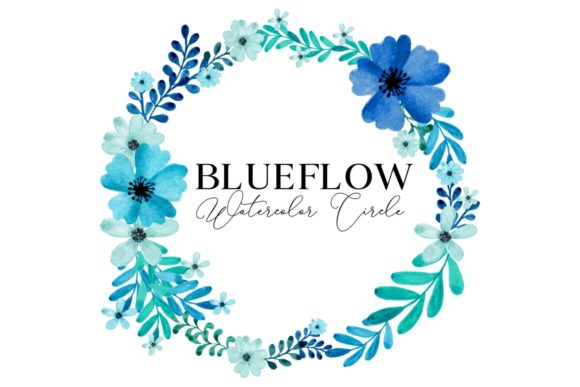
Blueflow Watercolor Circle Pattern and Web Elements
As a graphic designer with years of experience in branding, packaging, and digital design, I often seek out creative assets that can elevate a project without overpowering it. The Blueflow Watercolor Circle Pattern caught my attention for its soft, artistic feel and the way it blends seamlessly into various design contexts. This review explores how this design asset performs in real client projects and whether it’s a valuable addition to a designer’s toolkit.
First Impressions: A Soft, Artistic Mood
The Blueflow Watercolor Circle Pattern immediately evokes a sense of calm and creativity. Its gentle, hand-painted style suggests a handmade or artisanal aesthetic, making it ideal for brands that want to convey warmth, authenticity, and a personal touch. The circles are not rigid or uniform—they have a fluid, organic quality that adds visual interest without being distracting.
This pattern feels like an extension of a watercolor painting, with subtle variations in tone and texture. It’s not overly busy, which makes it versatile for a range of applications. Whether used as a background or a decorative element, it brings a unique visual mood to any design project.
Real-World Applications: Where It Shines
In practice, the Blueflow Watercolor Circle Pattern excels in areas where a soft, artistic touch is needed. For example, when working on a seasonal campaign for a handmade jewelry brand, I found that this pattern added a sense of elegance and whimsy to social media graphics and product packaging. It worked well as a background for blog visuals and Pinterest pins, helping to create a cohesive look across multiple platforms.
This design asset also proves useful in printable designs, such as stickers, wall art, and Canva templates. Its watercolor aesthetic fits perfectly with the kind of creative projects that users of platforms like Cricut or Etsy might undertake. It’s also a great fit for t-shirt designs, tote bags, and other merchandise that require a custom, artistic flair.
For a small business owner launching a new line of organic skincare products, the Blueflow Watercolor Circle Pattern could serve as a key visual element in their brand identity. It could be used in product labels, packaging inserts, and even in email marketing campaigns to reinforce a natural, earthy vibe.
Best Uses: Large Layouts and Themed Projects
The Blueflow Watercolor Circle Pattern thrives in large layout areas where it can be seen in its full, intricate form. It works especially well as a hero graphic on landing pages, product mockups, or editorial spreads. Its soft tones and flowing shapes help draw the eye without overwhelming the viewer.
This pattern also lends itself to themed collections, such as holiday cards, wedding invitations, or seasonal marketing materials. When paired with complementary fonts and color schemes, it can create a visually striking and cohesive design direction.
For print-on-demand sellers, the Blueflow Watercolor Circle Pattern offers a ready-made solution for creating eye-catching designs for mugs, phone cases, and other customizable products. Its versatility makes it a strong candidate for inclusion in a design bundle or commercial design asset collection.
Caution: Avoid in Minimalist or Corporate Contexts
While the Blueflow Watercolor Circle Pattern is beautiful, it’s not suitable for every project. In minimalist branding or professional corporate materials, its organic, hand-painted look may clash with the desired clean, modern aesthetic. Similarly, using it in crowded layouts or low-contrast designs can make it difficult to read or integrate effectively.
For a client looking to establish a sleek, tech-focused brand identity, this pattern might not be the best choice. Instead, it’s better suited for businesses that value creativity, warmth, and a more expressive visual language.
Design Considerations: Practical Notes for Professionals
Before using the Blueflow Watercolor Circle Pattern in a client project, there are several practical steps to take. First, test it in black and white to see how it holds up without color. Check contrast on both light and dark backgrounds to ensure visibility and readability.
Preview the pattern at different sizes to confirm it remains legible and visually appealing. Place it on real mockups—whether for a t-shirt, website, or product packaging—to get a sense of how it will look in context. If it’s a PNG design, inspect the transparency to ensure it works well with various backgrounds.
If the pattern includes SVG files, verify that it’s easily editable in vector format. Compare it with different font styles to see how it interacts with text elements. Finally, always confirm the commercial license to ensure it’s suitable for use in client projects or print-on-demand ventures.
Conclusion: A Valuable Creative Asset
The Blueflow Watercolor Circle Pattern is a thoughtful and versatile design asset that can add a unique, artistic touch to a wide range of projects. Its soft, hand-painted aesthetic makes it ideal for handmade businesses, small business branding, and creative marketplace ventures. However, it requires careful consideration in terms of placement, contrast, and overall design direction.
For designers looking to enhance their visual vocabulary with a touch of warmth and creativity, the Blueflow Watercolor Circle Pattern is worth exploring. It’s a great example of how a single design element can influence the mood, professionalism, and emotional appeal of a project. With proper testing and application, it can become a powerful tool in a designer’s arsenal.